
Project Story: The ‘give it your all’ project
Every organization says its critical project is a priority. One CEO proved it. He pulled his best people off everything else and cleared the calendar to make room.

Every organization says its critical project is a priority. One CEO proved it. He pulled his best people off everything else and cleared the calendar to make room.

A supplier asked for one change to a risk slide. The project manager said no, just to prove who was boss. Here is what that decision nearly cost the project.
Tasks change constantly, so task based responsibility matrices go stale fast. Assign ownership to major deliverables instead and build a governance model you reuse.

Saying "yes" to every minor request is the fastest way to derail a project. Master the art of the strategic "No" by vetting every change against your core objectives, regardless of how small the task or how loud the stakeholder.

Engineering brilliance vs. Financial reality. What happens when a team of 100+ experts falls too deep in love with their work to see it sinking? Learn why "exit criteria" are just as vital as "success metrics" and how one company turned an epic 1990s failure into their biggest processor success yet.
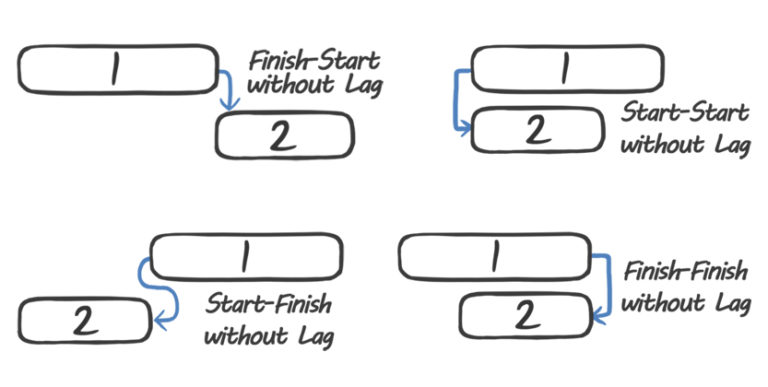
Master the Flow: Understanding Task Dependencies Project timelines aren't just lists; they’re a web of connections. If you don't understand how one task triggers the next, your schedule is just wishful thinking. This guide breaks down the four critical logical relationships—FS, SS, FF, and SF—and shows you how to use them to prevent bottlenecks and keep your team in sync. Stop guessing and start sequencing.